
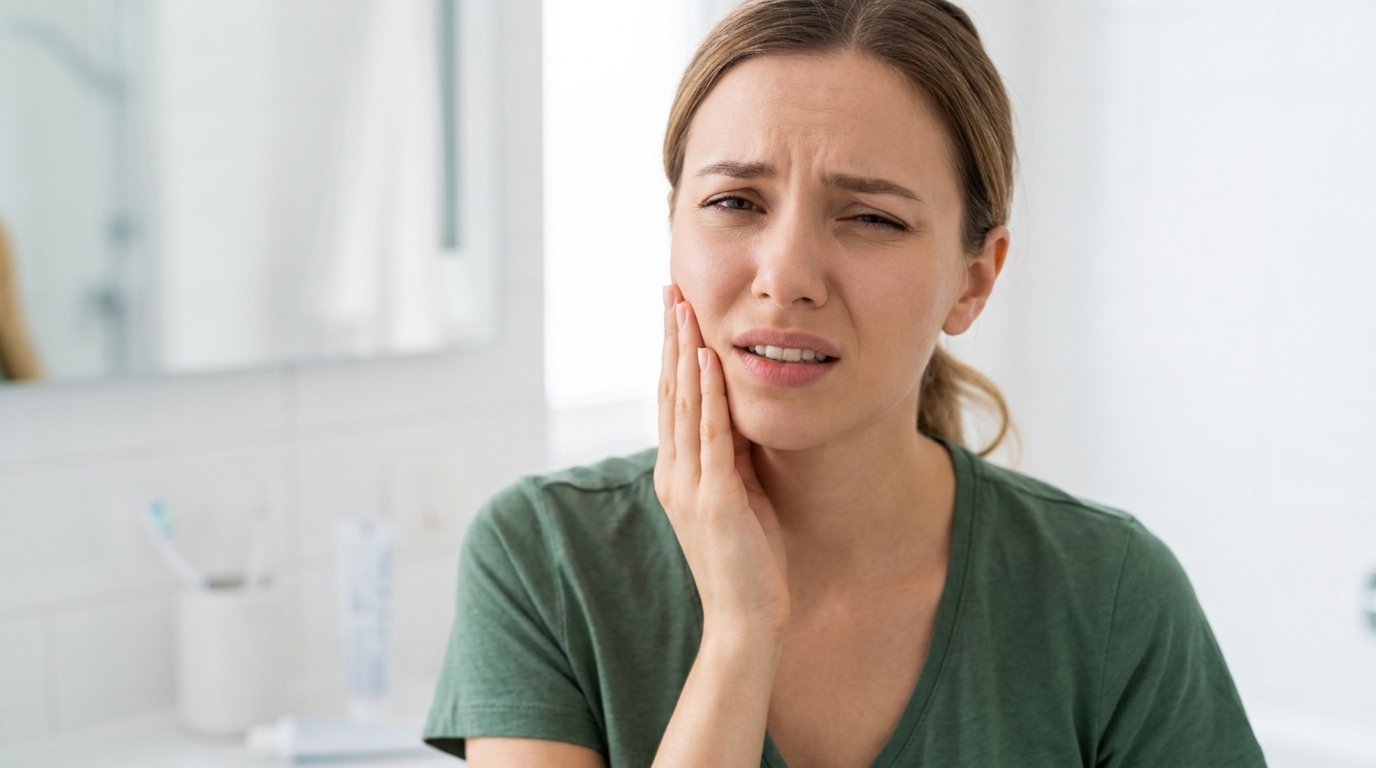
10 Signs You Might Need a Dentist Visit
Oral health is important not just for a lovely smile but also for your general wellness. It is said that most of the people neglect initial dental issues and pay attention to them only when pain hits hard. All in all, regular dental checkups prevent severe problems from occurring, save money over time on costly treatments and keep your teeth and gums healthy for the long haul.
How do we know when its time to see the dentist? Your mouth often sends out a signal of distress. Top 10 Signs You Need Dental Checkup And Why Never Ignore Them.
Persistent Tooth Pain
Tooth pain is one of the most common symptoms of problems with teeth. If you suffer from continuous or repeated agony, it could denote:
Tooth decay
Infection
Gum disease
Cracked teeth
Abscess
Even the mildest ailments will escalate if you do not treat them on time. An early identification by a dentist can help in prevention of further complications.
Bleeding Gums
Gums that are healthy won’t bleed when you’re brushing or flossing your teeth. Frequent blood appears after If you will notice the regular habit of any type of bleeding. It can be a sign for:
Gingivitis
Periodontitis
Gum inflammation
Gums bleeding are usually one of the first stages, or rather a symptom of gum disease. Gum disease is serious and untreated it can cost you your teeth as well as impact on general health.
Loose or Shifting Teeth
Adult teeth need to stay put and be secure. If they are loose or begin to migrate into different positions, you may have bone loss or gum disease.
Loose teeth cannot be ignored and with time, the tooth will eventually fall off. The condition of your teeth is better preserved, and the health of your gums generally improved, by early dental treatment.
Mouth Sores or Ulcers
The tiny mouth sores that usually heal in a week or two. Sores that last longer will probably need a professional evaluation.
Chronic mouth ulcers could also mean:
Oral infections
Vitamin deficiencies
Irritation
Oral cancer
A dental examination can help ascertain the cause of the oral pain and if needed ensure you receive all treatment to alleviate it.
Dry Mouth
Saliva helps protect your teeth and gums by washing bacteria and food particles away. Dry mouth that persists may raise the possibility of:
Tooth decay
Gum disease
Bad breath
Oral infections
Medications, dehydration, or medical conditions may also cause dry mouth. Some options that your dentist may offer to help replenish moisture in the mouth and protect your teeth.
Jaw Pain or Headaches
Jaw pain, clicking sounds, or headaches that occur frequently may relate to a dental issue such as:
Teeth grinding
TMJ disorders
Bite alignment issues
Most are not aware that dental difficulties can cause periodontal and facial headache. The dentist diagnoses what the trouble is and recommends possible ways to treat it.
Difficulty Chewing or Swallowing
Chewing pain or discomfort may point to:
Cavities
Gum disease
Broken teeth
Jaw problems
Similarly, however, difficulty swallowing should never be discounted as a potential warning signal. Good general health requires good dental and oral health; bad dental and oral health can affect nutrition by interfering with daily eating habits.
Schedule screenings early, as this can help prevent serious complications later.
It’s Already Been Over Half A Year Since Your Last Visit
Regular dental checkups are very essential even if you don’t see any symptoms. After all, most dental issues begin without pain in their initial stage.
Routine checkups help:
Detect cavities early
Remove plaque and tartar
Prevent gum disease
Monitor oral health
Maintain a healthy smile
Dentists recommend a six month visit to their office for cleanings and checkups.
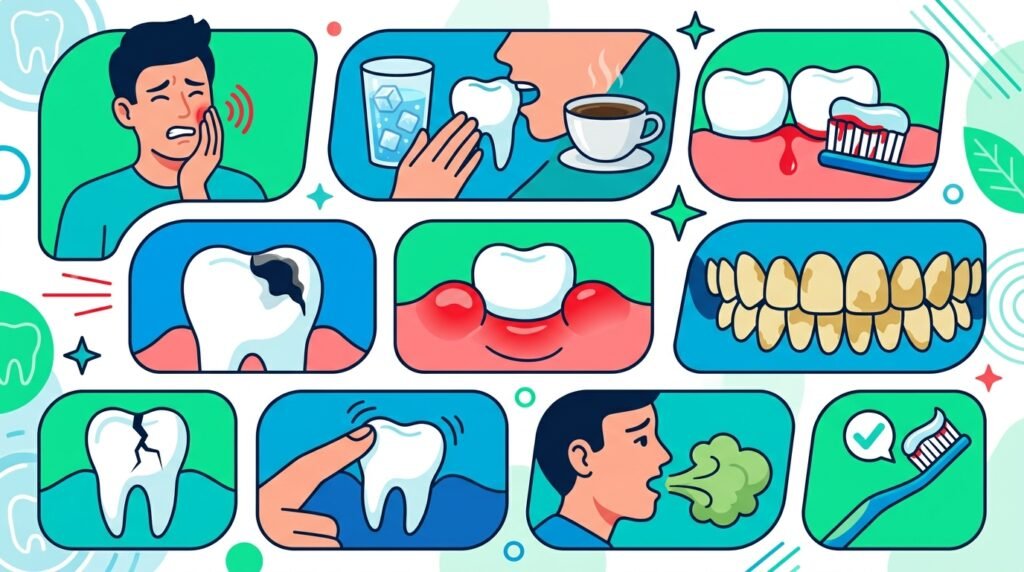
Why Regular Dental Checkups Matter
Preventive dental care is much easier and less expensive than treating advanced dental problems. Regular checkups allow dentists to identify issues before they become severe.
Benefits of routine dental visits include:
- Healthier teeth and gums
- Early detection of dental problems
- Better oral hygiene
- Fresher breath
- Reduced treatment costs
- Improved confidence and smile appearance
Good oral health also supports overall body health. Studies show that poor oral hygiene may be linked to heart disease, diabetes, and other health conditions.
Tips to Maintain Healthy Teeth
In addition to regular dental visits, follow these simple habits to keep your smile healthy:
- Brush twice daily with fluoride toothpaste
- Floss every day
- Avoid excessive sugary foods and drinks
- Drink plenty of water
- Avoid smoking and tobacco products
- Replace your toothbrush every 3 months
- Eat a balanced diet rich in vitamins and minerals
These small daily habits can make a huge difference in your oral health.