

Visits to the dentist are more than just routine teeth cleaning sessions: regular check-ups can also prevent serious oral health issues and identify systemic health concerns such as vitamin deficiencies or autoimmune conditions that might threaten overall wellbeing.
Regular dental Checkup can detect early signs of gum disease and address other dental issues like cracked or broken teeth before they worsen. If any of these seven indicators appear, now may be the time to schedule an appointment!
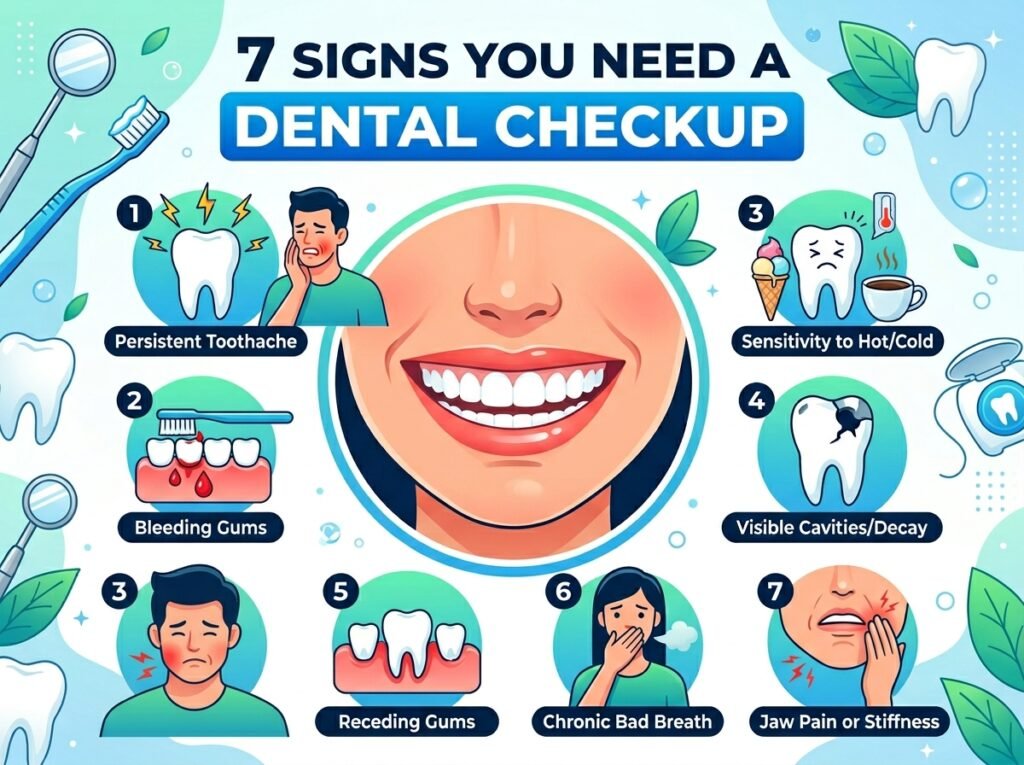
1. You Have Pain or Discomfort
If you experience pain or discomfort in your mouth or jaw, make an appointment for a dental checkup immediately. Pain may indicate infection, decay, gum disease or other issues which will worsen without proper treatment.
Any mouth sores that last more than a week, such as canker sores, cold sores or leukoplakia should also be evaluated by a dental Checkup can detect early signs of gum disease and address other dental issues like cracked or broken teeth before they worsen. If any of as these conditions could lead to inflammation, tooth loss or oral cancer if left untreated.
On a routine dental examination and cleaning visit, your dentist will visually inspect your teeth, gums, tongue, mouth and surrounding structures for signs of issues as well as potential health concerns. They may take X-rays as well as assess your bite position, existing restorations and other factors.
2. You Have Sensitive Teeth
Tooth sensitivity is often an early warning sign of more serious dental health problems and should never be ignored. A dentist can help reduce it through daily oral care measures such as desensitizing toothpaste or mouthwash, avoiding acidic foods and addressing teeth grinding/clenching habits.
Tooth sensitivity (also referred to as dentin hypersensitivity) refers to any pain or discomfort experienced when the enamel wears away, leaving more sensitive dentin exposed. This could occur from cavities, gum disease, cracked teeth grinding or teeth grinding as well as exposure to cold/hot/sweet/sour substances, pressure or brushing.
3. You Have Bad Breath
Many people mistake dental exams with dental cleanings. However, an examination provides an in-depth screening, early warning system and preventative care session all in one.
Your dentist can perform an examination on existing restorations to make sure they remain secure and free from decay underneath, as well as inspect your tongue, cheeks, roof of mouth, lips and tongue for signs of oral or systemic health problems such as autoimmune diseases, vitamin deficiencies or diabetes.
Your dentist can assess how the upper and lower jaws come together, to detect subtle misalignments that could cause clenching, headaches or TMJ problems. Bad breath may also be an early indicator of gum disease or dry mouth conditions – treating such conditions will likely improve it as well.
4. You Have Cracks or Infections
No matter if it is from biting your cheek or chewing something rough, any cracks that don’t heal quickly should be investigated as they could be signs of gum disease or, in severe cases, oral cancer.
Routine dental Checkup can detect early signs of gum disease and address other dental issues like cracked or broken teeth before they worsen. If any of appointments are essential to long-term oral and overall health. Most professionals recommend scheduling one every six months, although appointments can be made more frequently depending on an individual’s specific requirements.
Professional cleanings are important preventive measures against bacteria buildup, tooth decay and halitosis; and can even help manage its symptoms. Although professional cleaning may seem costly, remember that prevention is better than cure when it comes to oral health! If cost concerns prevent regular dental appointments from being scheduled now, simply consider it preventive medicine!
5. You Have Periodontal Disease
Periodontitis is an irreparable gum disease that destroys soft tissues surrounding and supporting your teeth, as well as their supporting bone. This condition can result in loose or lost teeth, as well as more serious health conditions like heart disease and diabetes. Plaque accumulation often triggers this condition; genetics or poor dental hygiene could also play a part.
Regular dental cleanings can help ward off gum disease, and if you notice symptoms like swollen, tender gums or persistent bad breath, schedule a checkup immediately. Early diagnosis and treatment can ensure long-term dental and gum health for you and your loved ones.
6. You Have Tooth Decay
Tooth decay is a disease that slowly wears away at your teeth’s surfaces, caused by plaque bacteria combining with sugar to produce acids which erode tooth enamel, leaving behind small holes called cavities that need to be filled by your dentist.
Early stages of tooth decay (prior to cavity formation) may be treated successfully using fluoride treatments and improved dental hygiene practices; if left unchecked, however, decay can progress into the inner pulp of the tooth, leading to pain and necessitating further extensive dental work.
7. You Have Gingivitis
Gingivitis, the early stage of gum disease, can be easily managed if caught early and treated immediately. Gingivitis occurs when plaque and tartar build up too long on teeth, irritating gum tissue, resulting in red and swollen gums. You can reduce your risk by brushing and flossing twice daily; managing diabetes; not smoking or using tobacco products; eating healthily and seeing your dentist on a regular basis;
Regular dental checkups can detect issues before they become serious, saving both pain and money. If you notice warning signs such as bad breath, gum bleeding or visible tooth changes – don’t wait; schedule your visit now.