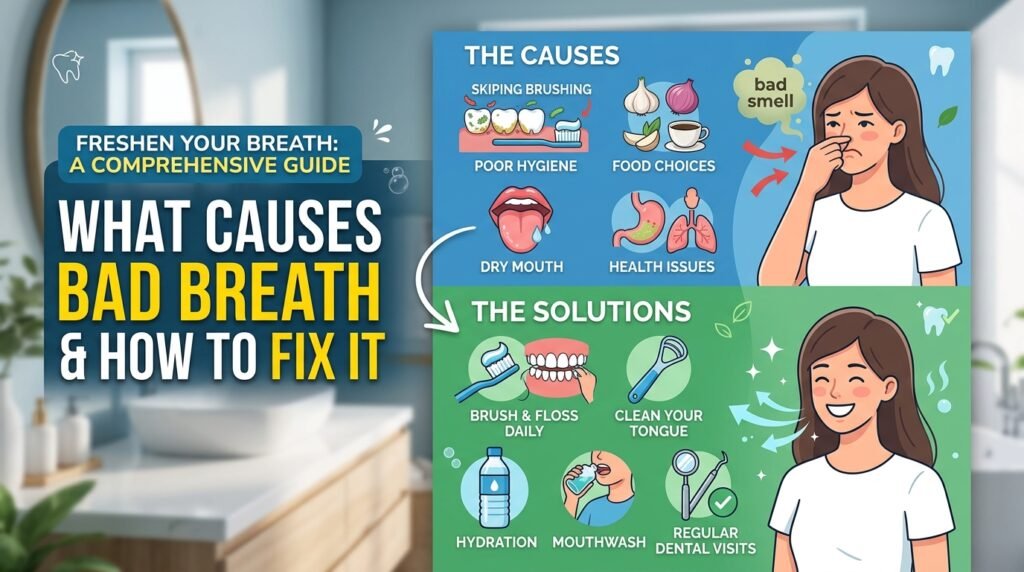
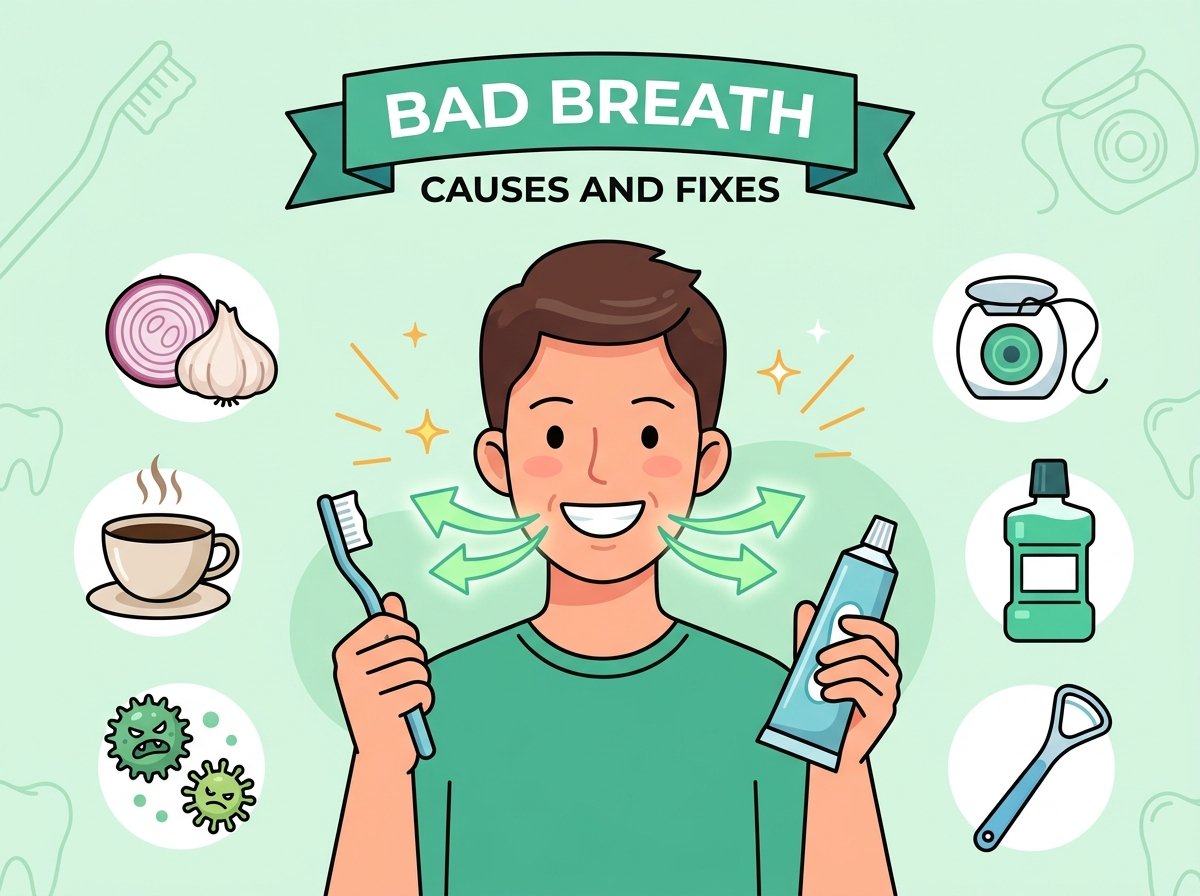
Bad breath is usually caused by bacteria producing foul odors and decaying food particles accumulating on teeth and tongue, but chronic bad breath could also indicate health issues like sinus infections, respiratory and liver disorders or certain cancers.
An everyday dental routine of brushing, flossing and using mouthwash should help alleviate most forms of bad breath; but if the problem persists despite these measures, consulting your physician or dentist for other solutions could be necessary.
1. Smoking
Chemicals present in cigarettes contribute to bad breath by decreasing oxygen levels, encouraging bacteria growth that leads to gum disease and tooth decay, as well as decreasing saliva production, leading to dry mouth (xerostomia) which contributes further to bad breath.
Chewing sugar-free gum or lozenges helps stimulate saliva flow, as does sipping water throughout the day. Avoid skipping meals as this can contribute to bad breath. Drinking an alcohol-free mouthwash may freshen breath but should only be used sparingly as it may irritate oral tissue and contribute to bad breath.
Halitosis, or persistent bad breath, can be a telltale sign of many health conditions. To make sure there’s nothing more serious contributing to it, visit a dentist and other healthcare professional immediately for evaluation and diagnosis. To stay up-to-date on research advancements, health tips, and health topics from Mayo Clinic click here for our free monthly newsletter – you won’t be sorry you did!
2. Dry Mouth
Nearly everyone experiences bad breath at some point; typically after eating something rich in garlic or first thing in the morning. Unfortunately, persistent bad breath can be embarrassing and impair your quality of life; Penn Dental Medicine provides fresh breath advice and treatments options that will eliminate that unpleasant odor.
Mouth odors result from bacteria digesting proteins found in foods such as garlic or onions, producing sulfur compounds that emit an unpleasant odor. The back part of the tongue traps this bacteria while harboring fungi and dead cells – brushing or using a tongue scraper daily can help eliminate them; dehydration can exacerbate mouth odor, so be sure to drink plenty of water each day, too; mints or sugary gum may temporarily mask odor, yet feed its source!
Certain medical conditions, like acid reflux or Crohn’s disease, can contribute to bad breath. If it doesn’t improve with practicing good oral hygiene practices, it could be an indicator of an underlying health problem that needs addressing.
3. Bacteria
Most cases of bad breath (halitosis) are caused by bacteria buildup in the mouth due to poor oral hygiene practices, periodontal (gum) disease, eating certain foods or beverages and drinking certain beverages; other sources include smoking and sinus infections as possible causes.
Saliva is an integral component of oral health, helping to remove food particles, neutralize acids and kill any odor-causing bacteria that might be present. Unfortunately, those suffering from halitosis don’t produce enough saliva due to medications, dry mouth syndrome, sinus infections or postnasal drip from enlarged tonsils – any one or more of which could prevent enough saliva production to meet this task.
Brushing and flossing twice daily as well as using a tongue scraper are both great ways to fight bad breath, and may help with any symptoms associated with halitosis. If this problem is ongoing for you, talk to both your dentist and doctor about developing a long-term plan to keep it at bay – often changing lifestyle choices will do the trick, leaving behind only fresh breath in its place! This could have an incredible impactful difference on how others perceive you!
4. Food
Food can have a direct impact on your breath. Pungent foods like garlic and onions release volatile sulfur compounds into the air that contribute to bad breath. Alcohol, coffee and sugary candies also play a part in creating bad breath; sugar feeds bacteria that produces more odor.
Certain gastrointestinal conditions like acid reflux and Crohn’s disease can contribute to bad breath by allowing stomach acid to seep into the esophagus. Other medical issues, such as chronic sinusitis or enlarged tonsils leading to post-nasal drip, may also play a part in its cause.
Prioritize oral hygiene to prevent bad breath: brush teeth at least twice a day, use a tongue scraper, and floss daily to remove food debris. Staying hydrated by drinking plenty of water may also help as dehydration contributes to dry mouth (xerostomia). If your bad breath indicates more serious medical issues, visit your dentist for personalized advice and treatment tailored specifically to you – depending on its cause they may suggest mouth rinses or other measures to improve it and boost oral health overall.